 US Dollar
 Canadian

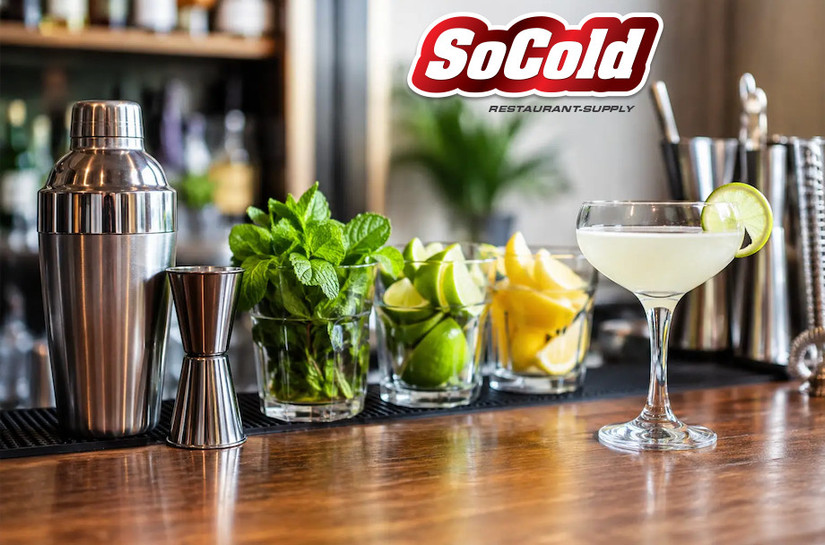
A bar can have premium spirits and a strong cocktail menu, then still lose sales because the speed pourers clog, the ice bin is undersized, or clean glassware runs out during the rush. Restaurant bar essentials are the working tools, serviceware, storage, and sanitation supplies that keep drinks moving from order ticket to guest without unnecessary delays.
For operators, the right bar setup is less about filling every shelf with gadgets and more about building reliable stations. The goal is consistent pours, safe handling, quick resets, controlled waste, and replacement items that can be sourced before a small problem becomes a lost service period.
Start With the Bar Station
Every bartender should be able to make core drinks without repeatedly stepping away from the rail. That means placing the highest-use tools, mixers, garnishes, ice, glassware, and disposables within reach. A compact station can work well in a limited footprint, but it needs a deliberate layout. Convenience is not the same as crowding.
The basic working setup includes a speed rail for frequently ordered spirits, bottle pourers or measured dispensing tools, cocktail shakers, strainers, jiggers, bar spoons, muddlers, citrus tools, scoops, and cutting boards. Choose commercial-grade tools that can handle repeated washing and high-volume use. Lightweight consumer pieces may cost less upfront, but bent strainers, leaking shakers, and dull peelers create replacement costs and slow down service.
Jiggers deserve particular attention. Free pouring may be appropriate for experienced teams and established drink builds, but measured pours give better consistency and clearer cost control. In many operations, the best approach is a mix: jiggers for cocktails and specialty pours, with controlled pour spouts for high-volume well drinks.
A bar mat protects the work surface, keeps tools from sliding, and captures drips. It is a small item with a practical payoff. Add a dedicated garnish tray or refrigerated garnish rail when fresh fruit, herbs, and prepared garnishes are central to the menu. If the menu is mostly beer, wine, and simple mixed drinks, that space may be better used for glassware or backup mixers.
Ice Equipment Is a Service Issue
Ice is one of the most overlooked restaurant bar essentials because it is treated as a utility rather than an ingredient. At the bar, however, ice affects drink temperature, dilution, appearance, and ticket times. A bartender who has to cross the room for ice during a busy shift cannot maintain a fast rail.
Select an ice bin based on peak demand, not average sales. Consider the number of seats, drinks per guest, cocktail mix, outdoor service, and whether the bar also supports servers. A bin that is full at opening but empty halfway through dinner service is undersized, regardless of how well it performs on a quiet weekday.
Use a dedicated ice scoop and store it outside the ice, never buried in the bin. Ice wells, bins, scoops, and drain components need routine cleaning and inspection. A clean ice machine does not eliminate the need to clean the equipment that receives, stores, and serves the ice.
Glass chillers and specialty ice systems can add value, but only when the menu and sales volume justify them. They are not first-priority purchases for every bar. Start with dependable production, sanitary storage, and a supply path for filters, cleaning chemicals, and replacement parts.
Glassware and Serviceware Need Par Levels
Glassware shortages do not usually happen because a bar ordered the wrong style. They happen because par levels were based only on seat count, without accounting for dishroom turnaround, breakage, multiple drink courses, and storage distance. Build par levels around peak service and the time required to wash, dry, and return glasses to the bar.
A practical opening assortment may include rocks glasses, highball glasses, pint or beer glasses, wine glasses, shot glasses, and stemware suited to the beverage program. The exact mix depends on the menu. A sports bar may need deeper inventory in durable beer glassware, while a wine-focused operation needs more stemware and polishing supplies.
Keep backup stock organized by type and inspect it regularly for chips, cracks, cloudy surfaces, and rim damage. Broken glass is both a safety concern and a service disruption. For patios, pools, or high-breakage areas, durable plastic drinkware can reduce loss and injury risk. The trade-off is presentation: premium cocktails and wine programs often still require glass for the expected guest experience.
Do not overlook related service items. Cocktail napkins, beverage straws where appropriate, picks, coasters, trays, wine buckets, bottle openers, and check presenters all affect the pace and polish of service. These are low-cost supplies that can stop a shift when they run out.
Build a Sanitation Plan Into the Bar
A clean-looking bar is not automatically a sanitary bar. Food residue from garnishes, sticky syrup buildup, wet bar mats, and improperly stored wiping cloths create avoidable risks. Bar cleaning should be assigned by task and frequency rather than left as a general closing responsibility.
Keep approved surface cleaners, sanitizer, test strips, clean wiping cloths, hand soap, paper towels, gloves, and waste liners available at the station. Warewashing chemicals and glasswasher components should match the equipment and local sanitation requirements. Using the wrong chemical or concentration can leave glasses spotted, damage equipment, or fail to sanitize properly.
High-touch points deserve attention throughout the shift. This includes cooler handles, soda gun nozzles, faucet handles, POS touchpoints, speed rails, ice scoop handles, and garnish containers. Soda guns and draft systems have their own cleaning needs and should not be treated as occasional maintenance items.
A three-compartment sink setup may be necessary for tools and smallwares, even if the bar has a glasswasher. Confirm that staff have a clear place for dirty tools and a clean place for sanitized tools. Mixing them on the same bar mat is a common shortcut that creates problems during rush periods.
Restaurant Bar Essentials for Beer and Wine Service
Beer and wine add equipment requirements that should be planned separately from cocktail tools. For beer, the essentials may include tap towers, faucets, couplers, gas components, line-cleaning supplies, drip trays, beer glassware, bottle openers, and backup refrigeration. Draft beer quality depends on cleaning and temperature control as much as it does on the brand in the keg.
Wine service requires corkscrews, foil cutters, wine stoppers, decanters when the program calls for them, proper glassware, and controlled storage. A basic wine opener is easy to overlook until it breaks during service. Keep backups at every service point, especially in operations where servers open wine tableside.
For both beer and wine, refrigeration capacity matters. Count the bottles, cans, mixers, and backup product that must be cold at the busiest point in the day. Reach-in coolers, back-bar refrigerators, and underbar refrigeration should be selected for usable storage and door access, not only outside dimensions. A unit that blocks traffic or cannot hold the required product mix creates daily friction.
Keep Consumables and Repair Parts on Hand
The least expensive item can be the most urgent one when it is missing. Build a reorder system for products that are consumed or damaged regularly, including pour spouts, bar towels, gloves, sanitizing supplies, napkins, straws, picks, beverage tubing, CO2 components, glass racks, and waste liners. Set minimum quantities based on delivery lead times and peak business periods.
For equipment, record model and serial information before there is a failure. Keep common replacement items available when practical, such as door gaskets, faucet parts, drain fittings, filters, light bulbs, and compatible cleaning products. Larger repairs may require a technician, but having the correct part information ready prevents extra downtime while staff search for a match.
SoCold Products can support this type of purchasing by consolidating bar smallwares, sanitation supplies, refrigeration needs, plumbing items, and replacement parts into a more manageable supply process. That matters when a manager is balancing daily replenishment with an unexpected equipment issue.
Use a Purchasing Checklist Before Opening Day
Before launching a new bar or refreshing an existing one, verify the full operating flow rather than shopping by category alone. Confirm that the bar has enough production tools, cold storage, ice capacity, glassware, cleaning supplies, and backup stock for the projected volume. Then walk the station as a bartender would: receive an order, build the drink, serve it, bus the glass, wash the tools, restock the rail, and handle waste.
That walkthrough reveals practical gaps quickly. A bar that runs smoothly is not necessarily the one with the most equipment. It is the one where every essential item is available, clean, correctly sized, and easy to replace before the next rush starts.